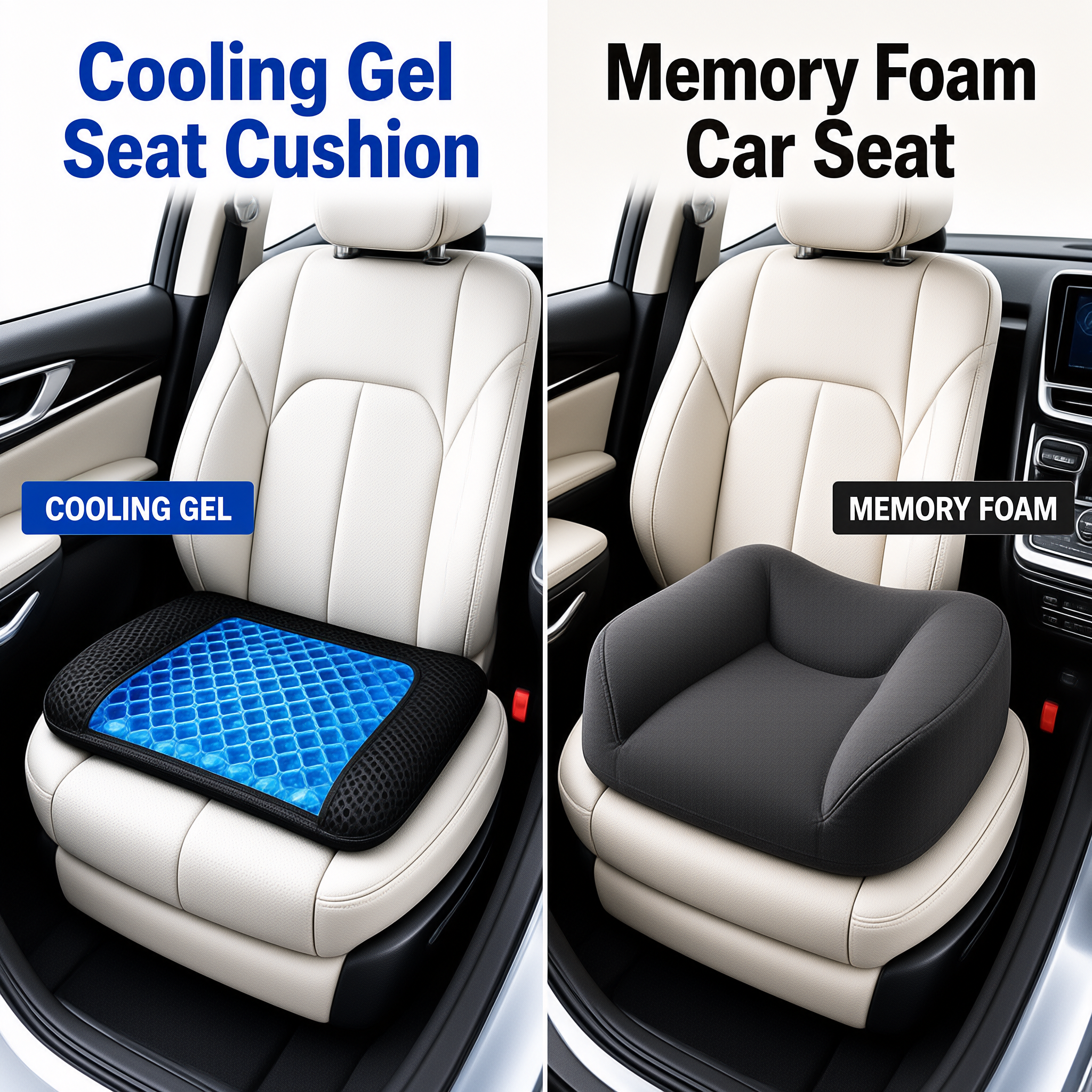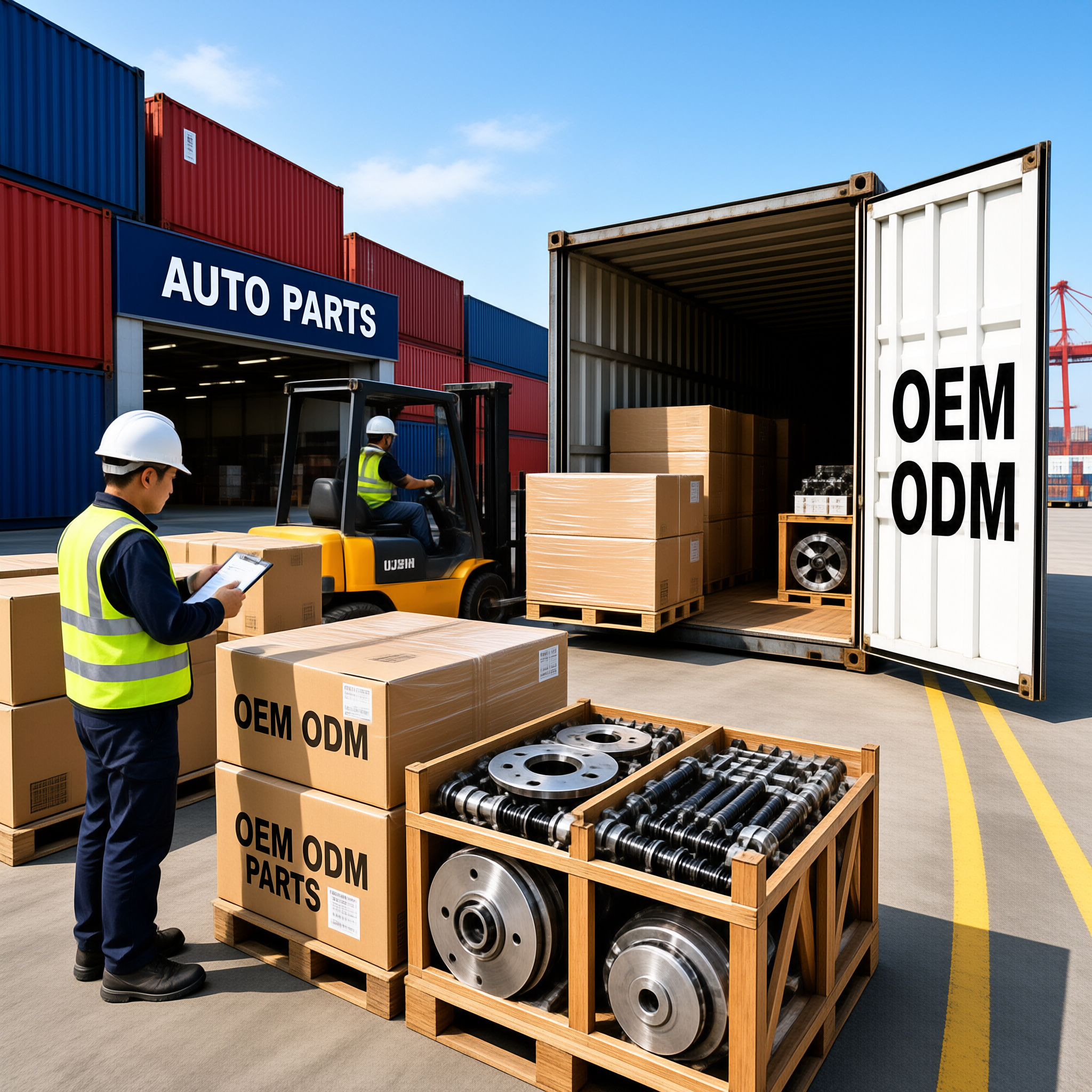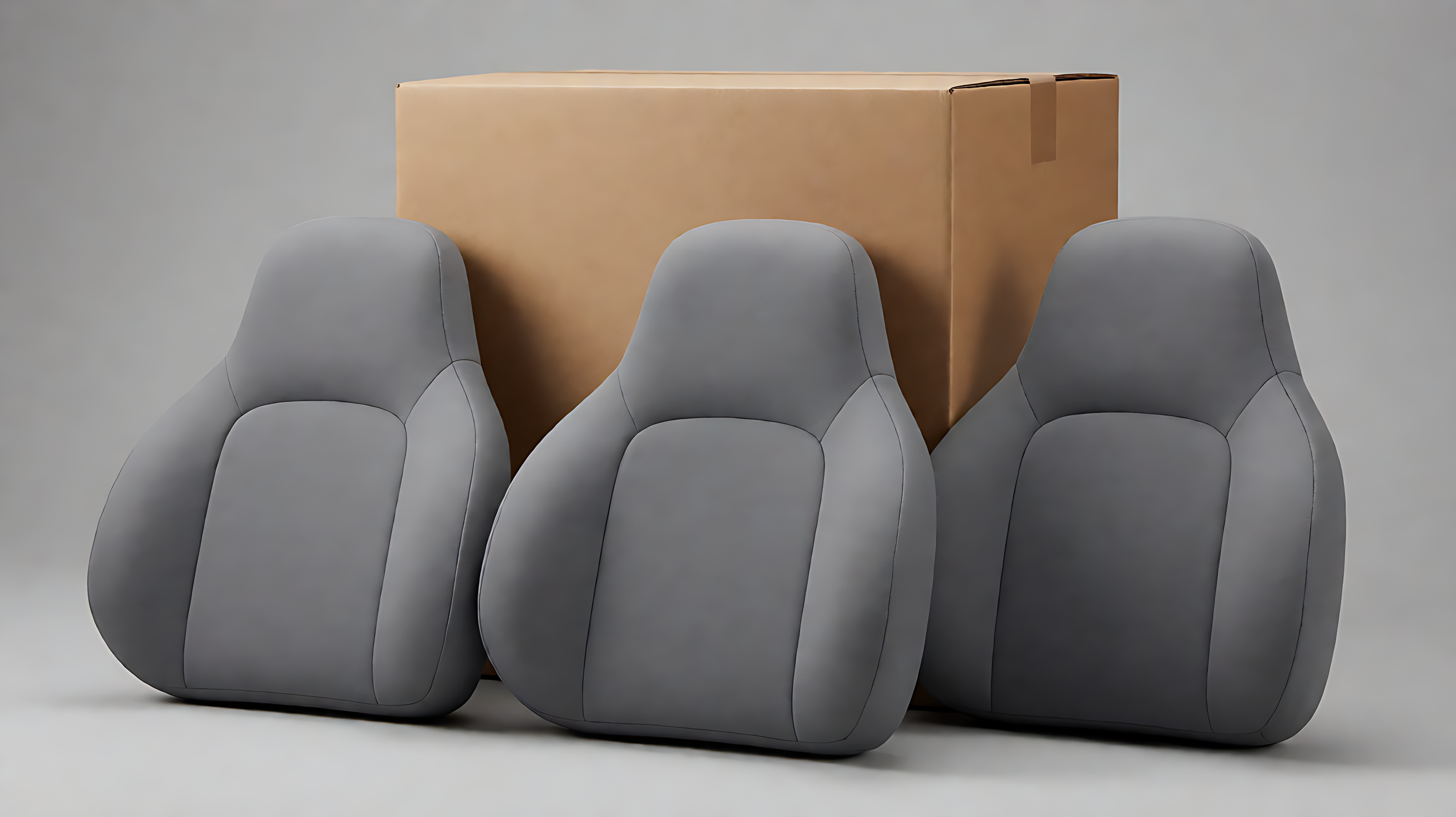
The three routes differ by who owns the design, and that sets the setup cost, the exclusivity and the time to your first order. Here is how to choose between them.
Private label, OEM and ODM are three different answers to one question: who owns the design of the product you are selling. In private label and ODM the design belongs to the factory; in OEM it belongs to you, and that single difference sets the setup cost, the exclusivity and the time to your first order.
Buyers often compare the three as if they were price tiers for the same thing. They are not. Each route buys a different kind of product and a different level of control, and the right one depends on how much you already know about your market.
Key Takeaways
Private label puts your brand on a product that already exists, and adds only label and packaging setup.
ODM starts from a design the factory already owns, then modifies it and brands it for you.
OEM means the product is built to your design, which carries design, tooling and sampling cost.
Exclusivity follows ownership: only a design you own can be kept off a competitor's shelf.
Most brands move up the three routes in order, rather than starting at OEM.
The Only Question That Separates the Three
Ask who holds the drawings. If the answer is the factory, you are buying private label or ODM. If the answer is you, you are buying OEM.
Everything else follows from that. A factory only invests in tooling for a design it expects to sell repeatedly, so a design it owns is one it can also offer to other buyers. A design you own is one you paid to create, which is why it can be kept exclusive.
That is the whole trade. More ownership costs more and takes longer, and buys control.
Private Label: Your Brand on an Existing Product
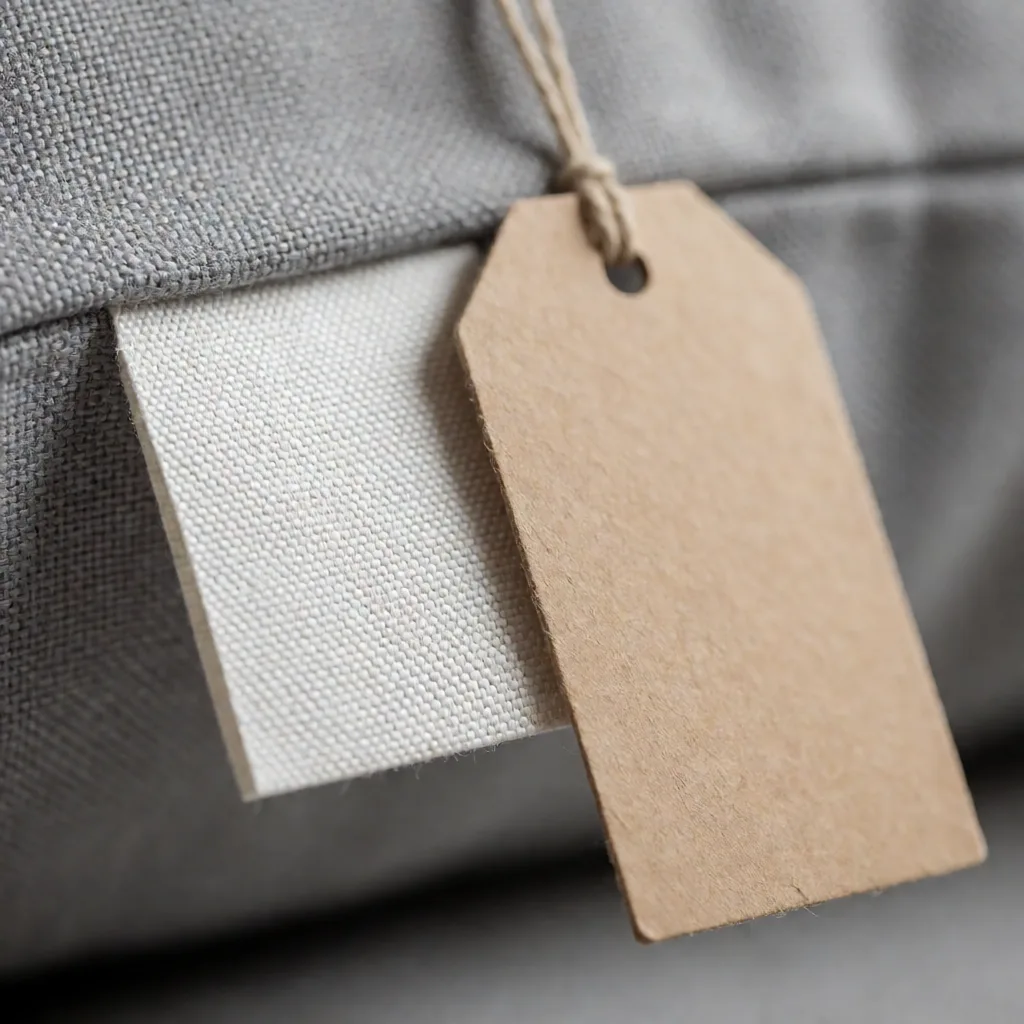
Private label is the shortest route. The product already exists, the tooling is already paid for, and the work is branding: your logo on the cover, your label in the seam, your carton, your colour choice from what is available.
Setup is limited to the items that carry your identity. A woven label, a printed carton and a hang tag each carry their own print setup, and those minimums sit on top of the product minimum rather than inside it. The retail packaging guide covers how those stack up.
The limits are equally clear. Your product is the same product your competitors can buy, the base design is not exclusive, and the shape and materials are limited to what the factory already makes. For a first order, or for testing whether a market wants the product at all, that is usually a fair trade.
ODM: A Factory Design You Adjust
ODM sits between the other two. The factory owns a base design, and you select it and change it: a different cover fabric, a different colour, a firmer foam, a different strap, a modification to the shape within the existing tooling.
This is where most brands land once they know roughly what they want. The base design removes the design risk, because the shape has already been built and sold. The modifications are what make the product yours rather than generic.
What you do not get is exclusivity by default. The base design can be sold to another buyer, so two brands can end up with products that started from the same mould. If exclusivity matters, it has to be negotiated, and it usually costs more or requires volume.
Modifications that stay inside the existing tooling are cheap. Modifications that require a new mould are, in practice, the start of an OEM project.
OEM: A Product Built to Your Design
OEM means you bring the design and the factory builds to it. That covers the geometry of the cushion, the foam specification, the cover pattern, the hardware, the labelling and the packaging, all to your drawings and your standard.
The cost structure is different in kind, not just in size. There is design work to convert your requirement into something manufacturable, tooling to be made and paid for, and samples to be produced, measured and approved before production begins. Every one of those steps is a genuine minimum on the order, and the MOQ and pricing guide explains why tooling in particular sets a floor that a small first order cannot meet.
In exchange you get a product that is yours. If the tooling is yours, the design can be kept exclusive, which is the point of the route. It also means the product is worth protecting properly at inspection, because there is no second source for it — see the quality inspection checklist.
If you supply seats or vehicle brands rather than retail, the arrangement is closer to component supply than to product branding, which the supply guide for seat manufacturers covers.

Private Label vs OEM vs ODM at a Glance
| Route | What you bring | What the factory brings | Setup on top of the product | Exclusivity | Time to first order |
|---|---|---|---|---|---|
| Private label | Brand and packaging | Existing product and tooling | Label and packaging | None | Shortest |
| ODM | Brand and modifications | Base design and tooling | Modification and branding | Limited, negotiable | Medium |
| OEM | Full design and drawings | Manufacturing to your specification | Design, tooling, sampling | Yours, if you own the tooling | Longest |
The dividing line between the three routes is who owns the design: in private label and ODM it is the factory's, in OEM it is yours.
Which Route Fits Where You Are
Choose from what you already know, not from what you hope to build.
You have not sold this product yet. Private label. The point of the first order is to find out whether the product sells, and paying for tooling before you know that turns a cheap experiment into an expensive one.
You know roughly what you want and have a modest volume. ODM. Modification inside existing tooling gives you a differentiated product without the cost of a new mould, which is the best ratio of distinctiveness to spend for most brands.
You have proven demand and need a product nobody else can sell. OEM. This is the route that justifies tooling, because the volume to amortise it is known rather than assumed.
You supply someone else's brand. OEM or ODM, depending on whether the design comes from you or from the customer. In that case the branding is theirs and the design question is the only one that matters.
Moving Between Routes as You Grow
The three routes are a sequence, not a choice you are stuck with.
Start with private label to test the market and learn what buyers actually ask for. Move to ODM modifications once you know which changes matter, since that is when the feedback is specific enough to act on. Move to OEM when the volume and the differentiation together justify the tooling.
Two things make the sequence work. First, keep the specification written down from the beginning, because a specification is what lets you carry a lesson from one route to the next. Second, keep the same packaging decisions separate from the product decisions, so that a change of route does not force a change of carton.
Buyers who skip to OEM usually do so to save time, and usually lose it instead: a designed product takes longer to sample and approve, and the first order arrives later than a private label order placed the same week.
Frequently Asked Questions
- Is private label the same as white label?
- They are used similarly, but white label usually means a product with no branding at all and private label means the same product carrying your brand. In both cases the design belongs to the factory.
- Can I get exclusivity on an ODM design?
- Sometimes, by negotiation, and usually in exchange for volume or a contribution to the tooling. If exclusivity is essential, OEM is the more reliable route because the design is already yours.
- Which route is cheapest?
- Private label, because the tooling already exists and you are paying only for branding and packaging. It is also the route with the least control over the product itself.
- How long does an OEM project take compared with private label?
- Noticeably longer, because design, tooling and sampling all happen before production. The extra time is not overhead; it is the work of creating the product.
- Can I start with OEM and skip private label?
- You can, but it means paying for tooling before you have evidence that the product sells. The cost is only justified when the volume is known or the differentiation is the whole point.
- Do I need a different supplier for each route?
- Not necessarily. Many factories offer all three, which makes moving between routes easier because the specification, the foam grades and the cover options stay familiar. The customisation process shows how the three are sequenced at a supplier that offers all of them.
Where to Take This Next
Decide what you need to own, then choose the route that gives you exactly that and nothing more. If you are still at the stage of testing the market, browse the product range to see what already exists as a platform and can carry your brand. If you have a design to build, send the specification and we will tell you which route it needs and which inputs set your minimum.