Car lumbar support MOQ is set by the least flexible input in the build — usually the fabric, the tooling or the printed packaging rather than the foam. Here is what drives the minimum and what actually moves the unit price.
Car lumbar support MOQ is rarely one number. It is the highest of several minimums — foam, fabric, mould and packaging — that a factory has to run before your order is worth setting up. A minimum order quantity quoted before the specification is locked is the fastest way to a price that changes later.
Most buyers compare suppliers on unit price alone, then find out the cheaper number came from a thinner foam, a simpler cover, or a carton the supplier already had on the shelf. Understanding which inputs set the floor is what makes two quotes comparable.
Key Takeaways
MOQ is set by the least flexible input in the build, which is usually fabric, tooling or printed packaging rather than foam.
Foam is priced by density and volume, so a small change in thickness moves unit cost more than most buyers expect.
Compression moulding needs tooling and a batch size to justify it; cutting from block foam does not.
Retail cartons, gift boxes and printed inserts carry their own minimums on top of the product MOQ.
A specification frozen before quoting is what keeps the first order and the repeat order at the same price.
What Actually Sets the Minimum Order Quantity
The minimum is not a policy the factory picked at random. It is the smallest run that covers the setup it cannot avoid. Identify which of the four inputs is least flexible for your design and you have found your real MOQ.
Foam is rarely the constraint. Block foam is cut to size on demand, so a factory can run a handful of pieces without special setup. Fabric is different — a cover in a custom colour, weight or knit is usually only available at a mill minimum, and that minimum is often expressed in metres rather than pieces.
Tooling is the other hard floor. A compression-moulded or die-cut core needs a mould or die that only makes sense across a production run. That is why the same product can be quoted with a low minimum by one supplier and a high one by another: they are proposing different manufacturing routes, not different prices for the same thing.
The Cost Drivers Behind a Lumbar Support Unit Price
Four things move a lumbar support price more than anything else. Knowing them lets you read a quotation instead of just comparing the last line.
Foam Density and Volume
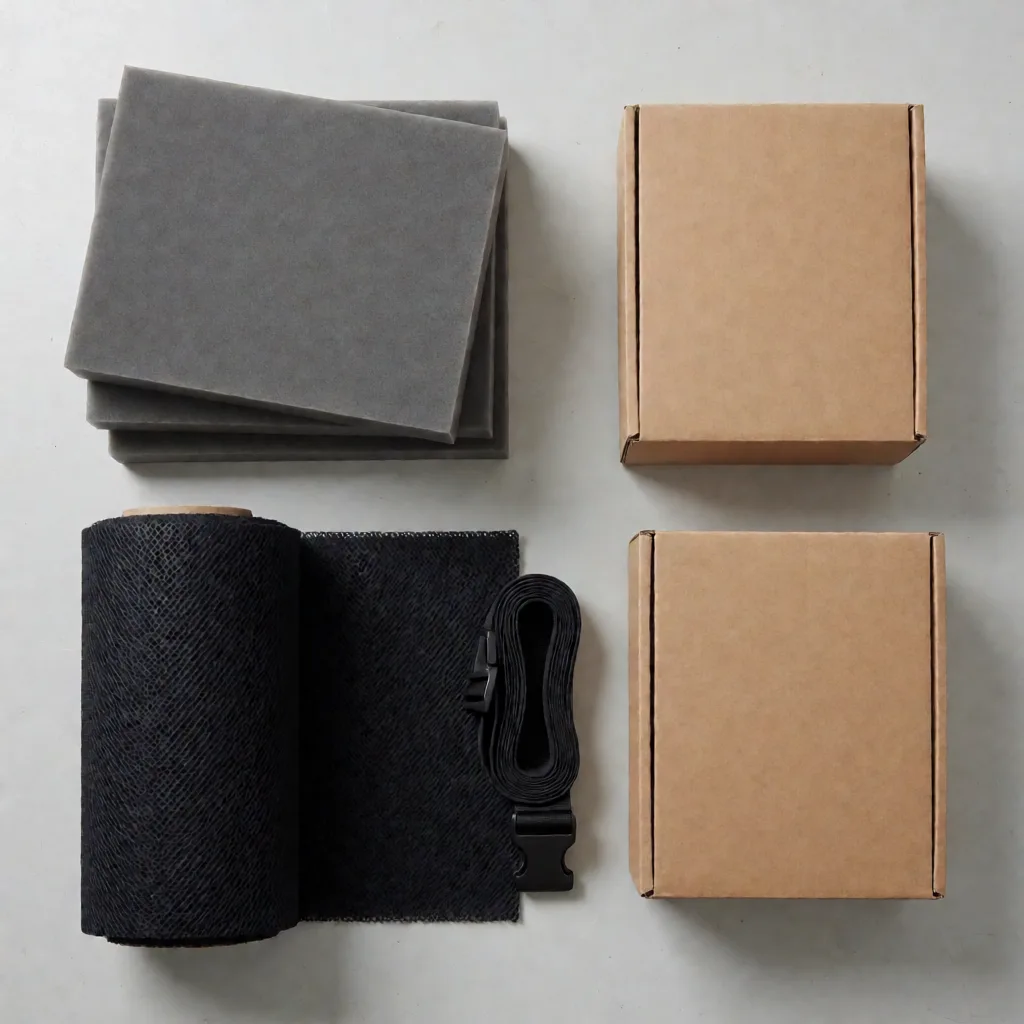
Foam is bought by density and by volume. A denser grade costs more per kilogram, and a thicker profile uses more of it. Because both change together, a 10 mm increase in thickness at the same density raises material cost more than a grade change at the same thickness.
Density also decides how the product behaves in service. Lower-density foam feels soft on the first sit and compresses sooner under a daily driver's weight. Higher-density foam holds its loft and costs more. If you are sourcing for a product that must still feel supportive after a year, density is the specification to argue about, not price.
Cover Fabric and Cut-and-Sew Labour
The cover is where most of the labour sits. A single-panel mesh cover takes far fewer operations than a shaped cover with piping, a hidden zip and a contrasting panel. Every extra seam adds cutting time, sewing time and a quality check.
Fabric choice also interacts with MOQ, because fabric is usually the input with the mill minimum. A standard black air-mesh is often available in small lots; a specific Pantone-matched knit is not. This is the main reason a breathable cover is cheaper to introduce than a branded one — see the fabric and breathability guide for how cover choice affects the product itself.
Tooling and the Moulding Route
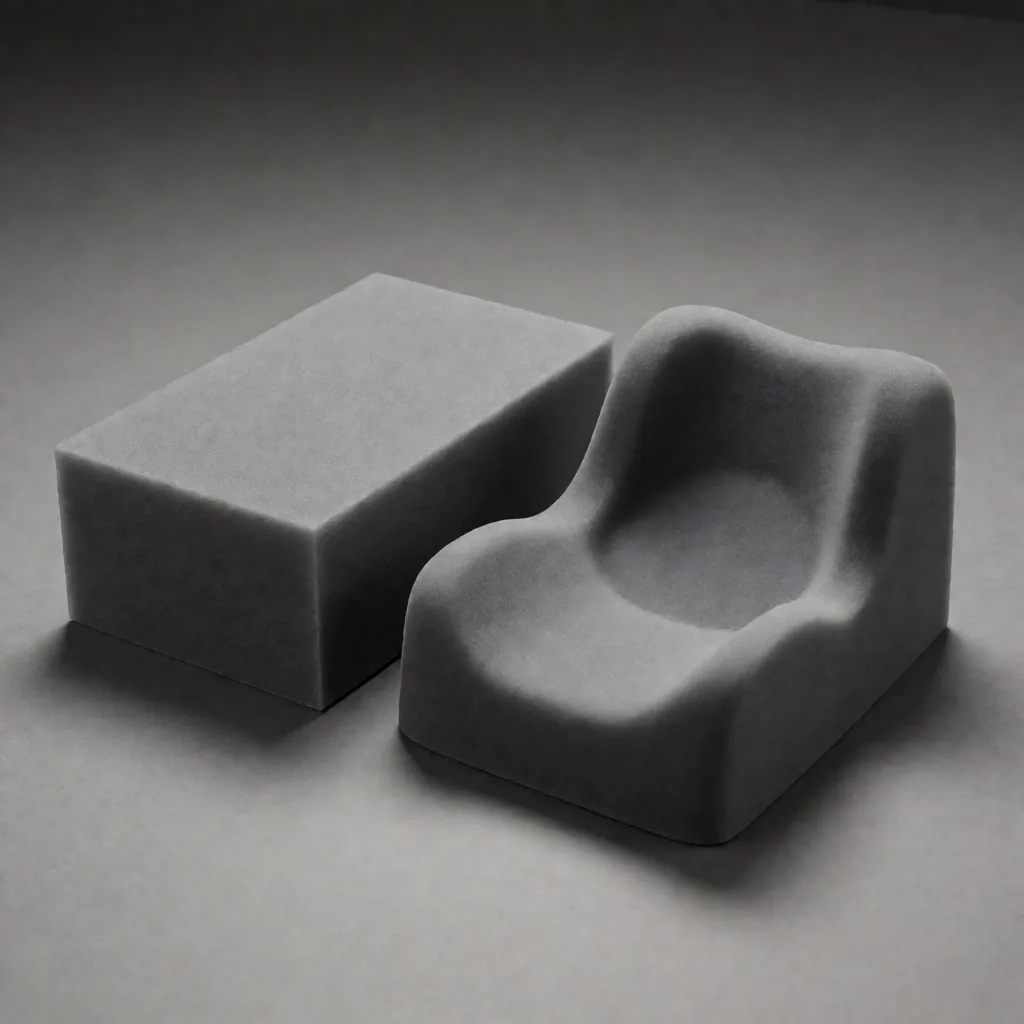
There are two broad routes: cut foam, and moulded foam. Cut foam uses a die or a CNC blade and tolerates smaller runs. Moulded foam holds a shape the driver can feel and repeats it consistently, but the mould has to be paid for and amortised.
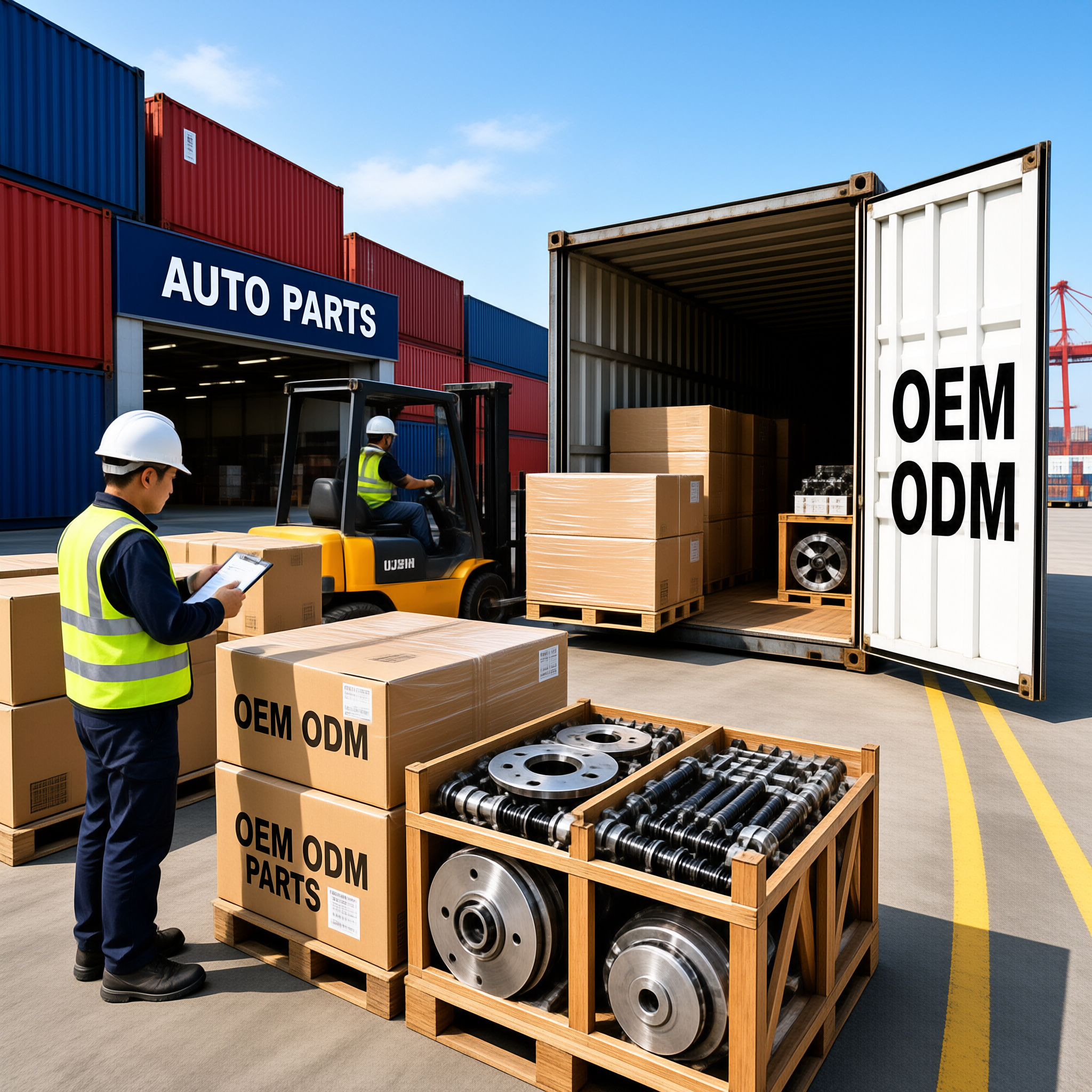
The practical question is not which route is better but how many pieces you expect to sell. Below a certain annual volume, cut foam usually wins on total cost; above it, moulding wins because the per-piece labour drops. The OEM/ODM customisation process sets out how a moulded project is specified, sampled and approved.
Packaging, Cartons and Print
Packaging is the input buyers forget. A plain poly bag and a plain brown carton have low minimums. A printed retail box, a colour sleeve or a gift set with a printed insert each require a print setup, and those minimums are counted separately from the product.
If you are launching online first and retail later, split the packaging decision. Ship the launch run in plain cartons, and introduce printed packaging once you know the volume. That keeps the first order small without blocking the retail design.
Why the Same Product Gets Two Very Different Quotes
Two quotes for the "same" lumbar support are usually two different specifications wearing the same name.
When a quotation is materially lower than the others, work backwards through the four cost drivers before assuming the supplier is simply cheaper. A lower foam density, a single-panel cover with no piping, a cut-foam core instead of a mould, or a stock carton will each explain a gap on their own.
Ask for the specification alongside the price — density in kilograms per cubic metre, cover construction, core route, carton dimensions and print method. Suppliers who can supply that list are usually the ones whose price will hold. The quality inspection checklist lists what to verify against that specification before the first shipment is approved.
What a Supplier Needs From You Before a Quote Means Anything
| Input | Why it changes the price |
|---|---|
| Target seat type and vehicle class | Decides thickness, width and curvature, which set foam volume |
| Foam density and firmness target | Denser and firmer grades cost more per unit |
| Cover construction and fabric | Panels, seams, piping and zip all add labour and fabric metres |
| Core route: cut or moulded | Moulded needs tooling, cut does not |
| Branding method | Embroidery, woven label and heat transfer carry different setup |
| Packaging format | Printed retail boxes and gift sets have their own minimums |
| Order quantity and repeat plan | Sets whether tooling can be amortised |
| Delivery market and incoterm | Drives compliance paperwork, carton strength and freight mode |
| Present that list as a one-page specification before you ask for numbers. Suppliers who receive a fixed specification quote the same product; suppliers who receive a paragraph of adjectives quote a guess. If you supply seats or vehicle brands rather than selling to end users, the requirement is closer to a component supply agreement — see lumbar support supply for seat manufacturers. |
How to Structure a First Order When Your Volume Is Small
A small first order is normal, and it does not have to be expensive if you sequence the decisions. Start with the version of the product that has the fewest minimums attached.
Choose a cut-foam core rather than a mould, a standard air-mesh cover rather than a custom knit, and plain packaging rather than a printed retail box. That combination usually has the lowest entry point, and it still produces a product you can sell and test in market.
Then treat the second order as the upgrade. Once the product proves itself, tooling, custom fabric and printed packaging all become easier to justify because you are amortising them across known volume rather than hope. Buyers who try to launch with every premium option enabled on the first run are the ones most often stuck with a minimum they cannot use.
Frequently Asked Questions
- What is a typical MOQ for car lumbar support?
- There is no industry-wide number. The minimum is set by whichever input is least flexible for your design — most often the fabric, the tooling, or printed packaging. Ask the supplier to name the input that sets their floor, then decide whether to change it.
- Why is the price different when I only changed the foam thickness?
- Because foam is priced by volume as well as density. A thicker profile uses more material per piece, and if the density also moves, the two effects compound. Thickness is one of the most expensive specifications to change late.
- Does a lower unit price always mean a lower-density foam?
- Not always, but it is the first thing to check. A lower density, a single-panel cover, a cut core instead of a mould, or a stock carton will each lower the price on their own. Ask for the specification in writing next to the number.
- Can I get a sample before committing to a minimum order?
- Sample and production minimums are separate. A factory can usually produce pre-production samples without triggering the production minimum, and that sample is where you verify fit, firmness and cover quality. Confirm the sample cost and whether it is credited against the first order before you approve it.
- How do I keep the repeat order price close to the first?
- Freeze the specification before you approve the first sample, and reference it in the purchase order. Most price drift between first and repeat orders comes from an undocumented substitution — a different fabric lot, a different carton, a slightly different foam grade — rather than from a deliberate increase.
- Should packaging be part of the first order?
- Only if you already sell in retail. Otherwise ship the launch run in plain cartons and add printed packaging on the next order once volume is known. See the retail packaging guide for how packaging changes with the sales channel.
Where to Take This Next
Start with the specification, not the price. Write down the seat type, the foam density and firmness target, the cover construction, the core route, the branding method and the packaging format, then ask suppliers to quote against it. If you are still deciding the manufacturing model, the comparison of private label, OEM and ODM explains which route carries which setup cost. Browse the current product range to see which of these configurations already exist as platforms, and send your specification when you are ready for a real number.