Stocking a driver fleet? This guide covers the most requested car seat accessories for rideshare and delivery drivers — with procurement insights on MOQ, durability, and supplier selection.
Best Car Seat Accessories for Rideshare & Delivery Drivers: A Fleet Procurement Guide
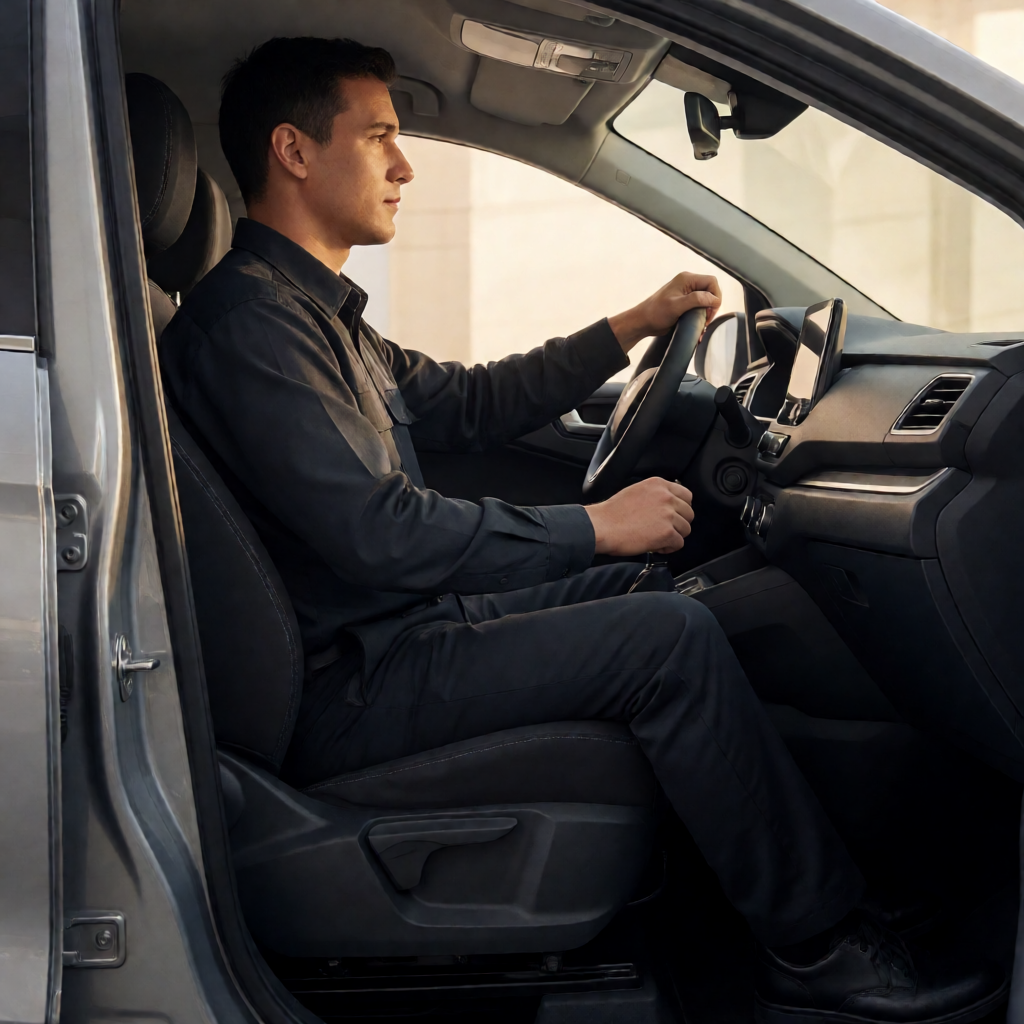
If you manage a fleet of rideshare vehicles or a delivery driver program, you already know: driver comfort affects retention, ratings, and repeat orders. One of the most common complaints from drivers who spend 6+ hours daily in a vehicle is back pain, seat heat, and uncomfortable upholstery.
This guide walks through the car seat accessories that actually move the needle for driver wellbeing — and what to look for as a procurement manager buying for dozens or hundreds of drivers.
Why Driver Seat Comfort Is a Fleet Performance Issue
High driver turnover in rideshare and delivery is well documented. In the US, average rideshare driver churn within the first year exceeds 50%. For delivery fleets, the story is similar: long routes, minimal rest stops, and seats that weren't designed for 8-hour shifts.
Seat discomfort is a top-three driver complaint, alongside pay transparency and app navigation. When drivers self-modify their seats with aftermarket cushions or lumbar supports, they often choose low-quality products that wear out in weeks — creating additional cost and support burden for your operations team.
A procurement decision that seems minor — what kind of seat cushion or lumbar support you stock — can directly impact:
- Driver retention rate — comfortable drivers stay longer
- Vehicle condition — quality covers protect original upholstery from sweat and wear
- Insurance and liability — substandard modifications can void vehicle warranties or create safety issues
- Brand perception — clean, professional interiors show in passenger ratings for rideshare
The Most Requested Accessories by Driver Type
Rideshare Drivers (Uber, Lyft, and Similar)
Rideshare drivers typically share vehicles with family members or use them for personal errands when not working. Their priorities:
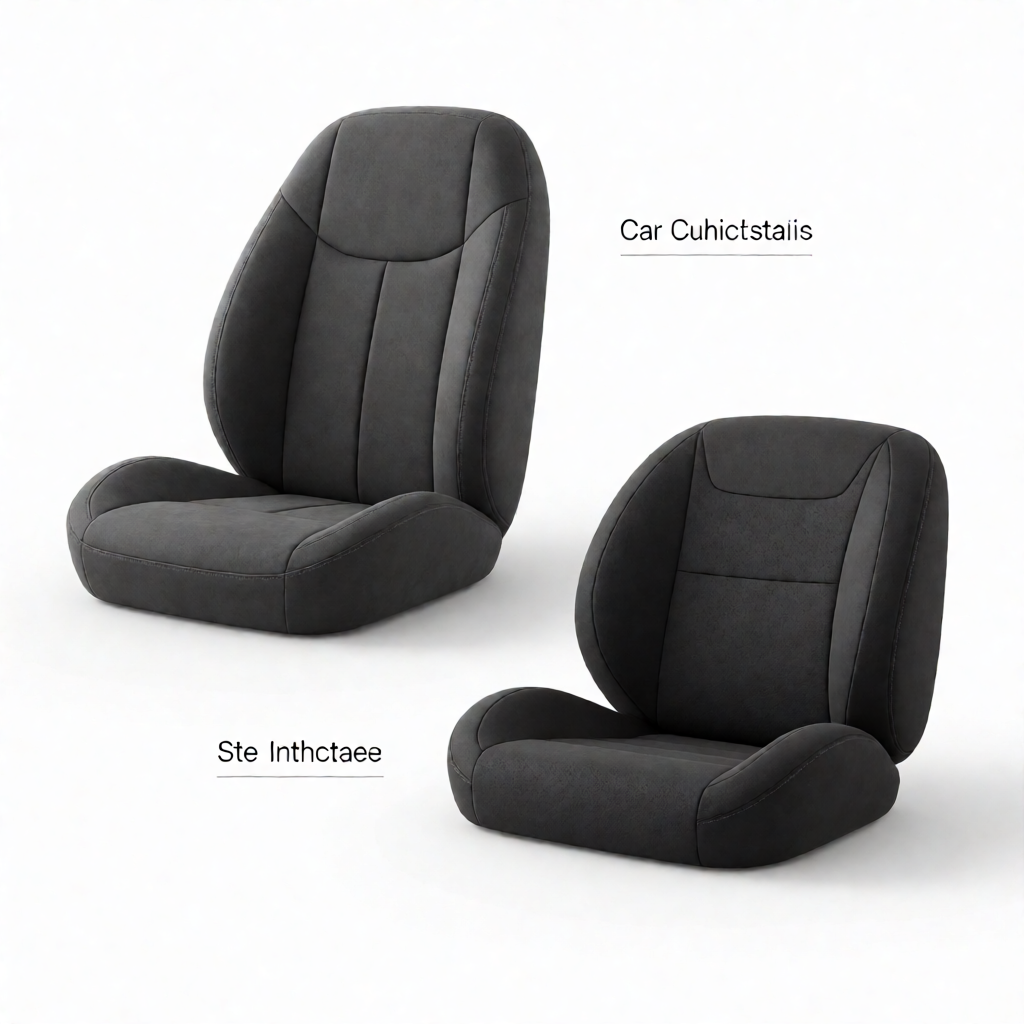
- Seat covers that protect against daily wear and are easy to remove and wash
- Lumbar support cushions that reduce lower back strain on long shifts
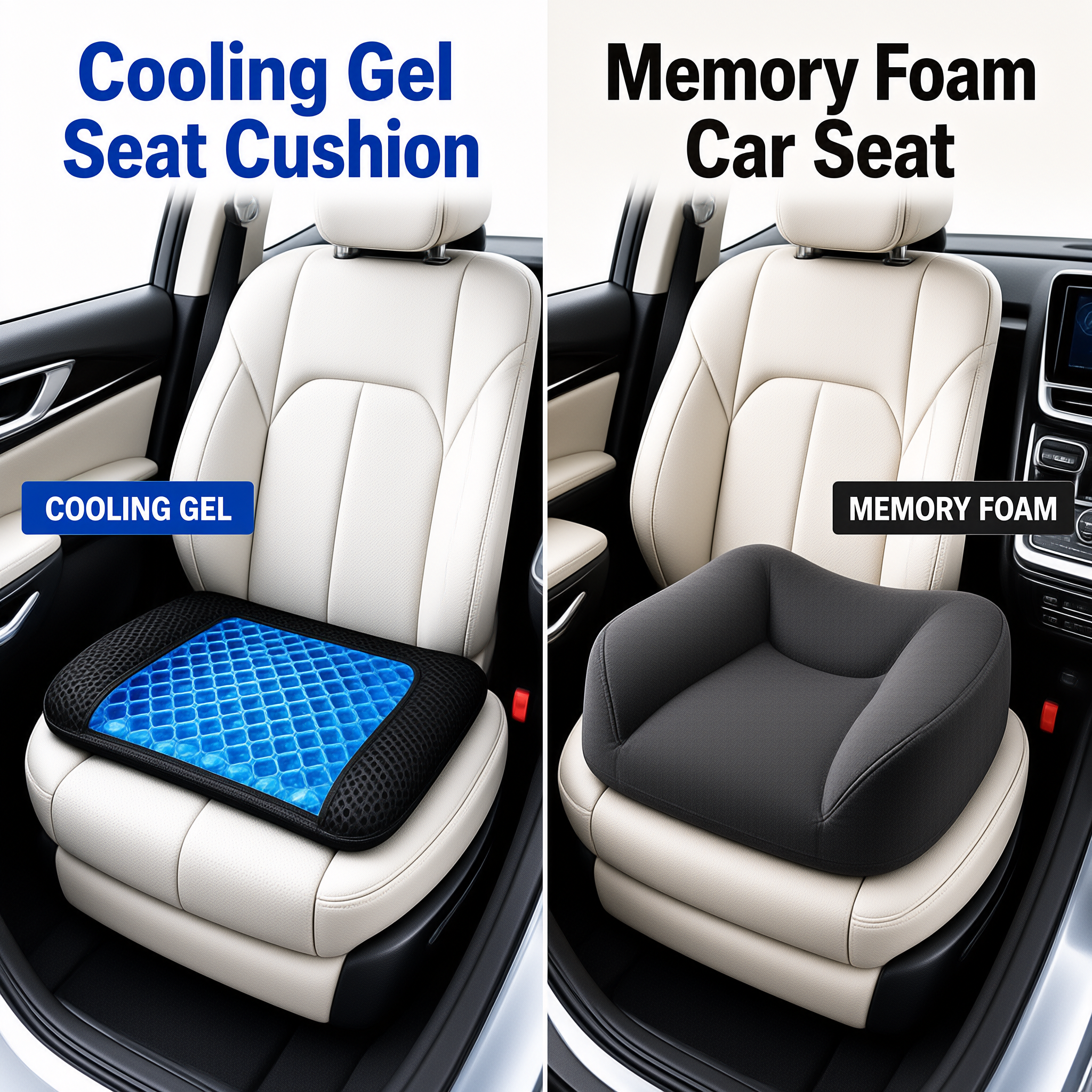
- Cooling gel seat cushions for vehicles without ventilated seats, especially in summer
For this buyer type, retail-packaged products with clear usage instructions perform best. Rideshare drivers typically buy for personal use, so MOQ of 1–5 units is common. However, fleet managers sourcing for driver welcome kits benefit from bulk pricing at 20+ units.
Delivery Drivers (Amazon, UPS, DoorDash, Restaurant Delivery)
Delivery drivers spend the most time in their vehicles — often 8–12 hours per shift during peak periods. They need:
- Heavy-duty lumbar supports with adjustable straps that stay in place
- Breathable mesh seat cushions that handle sweat and heat buildup
- Seat covers with non-slip backing to prevent movement during frequent entering and exiting
- Headrest cushions for vehicles without adjustable head support
Delivery fleets prioritize durability over aesthetics. Products with reinforced stitching, high-density foam, and washable covers deliver the best cost-per-mile ratio.
Fleet Procurement Managers: Key Evaluation Criteria
When evaluating suppliers for a driver fleet, focus on these parameters:
| Criterion | What to Check | Typical Range |
|---|---|---|
| Foam density | Lumbar support should use 30+ kg/m³ memory foam for lasting support | 28–50 kg/m³ |
| Cover material | Mesh polyester for breathability; PU leather for easy wipe-clean | Polyester / PU / 3D mesh |
| Strap system | Adjustable钩 + buckles that fit most vehicle seat types | Universal fit preferred |
| Washable cover | Removable, machine-washable covers reduce replacement frequency | Yes (recommended) |
| MOQ for bulk | Fleet orders typically need 50–500 units per SKU | 50 units minimum typical |
| Certification | REACH, CA Prop 65 for US market compliance | Required for most retailers |
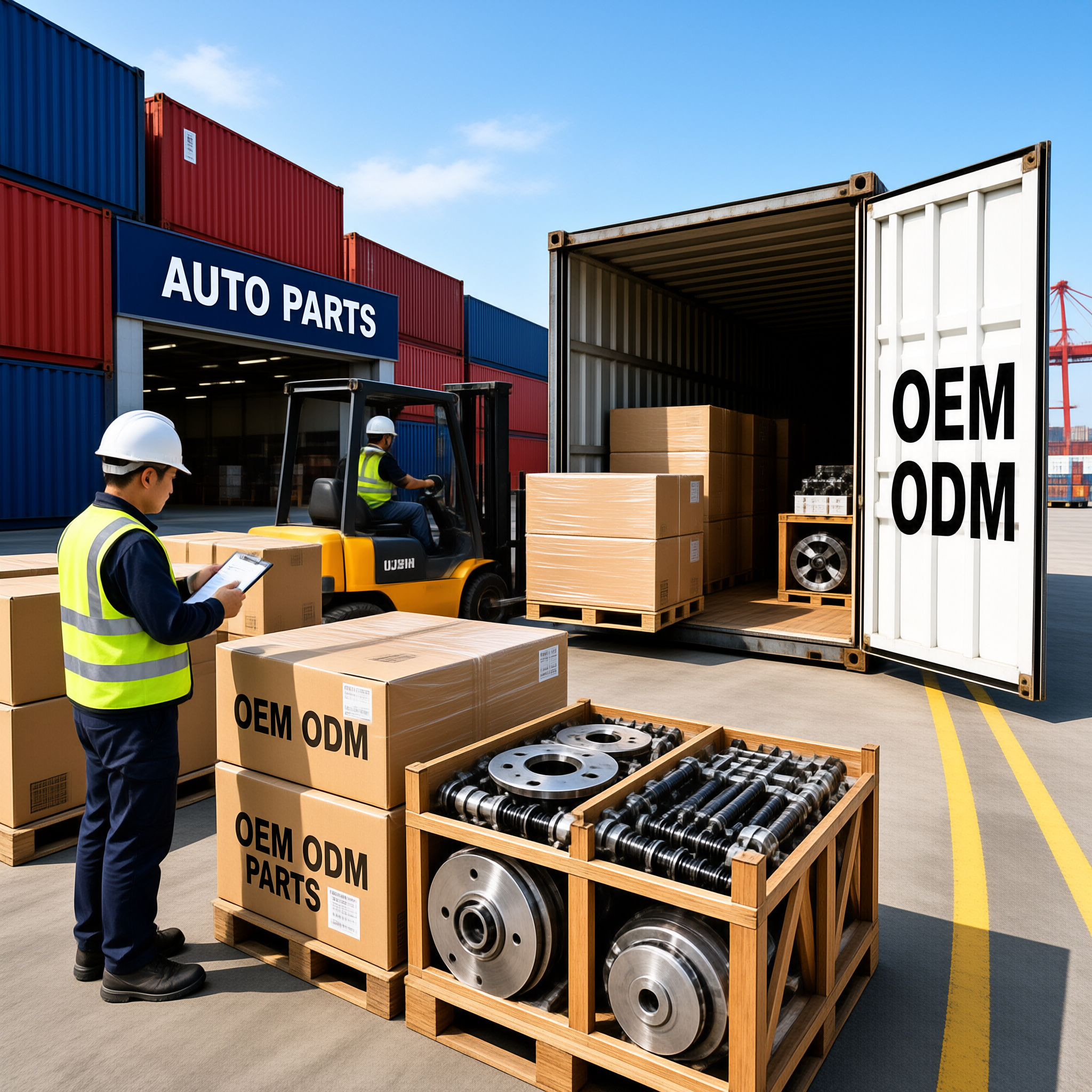
OEM vs. ODM vs. Standard Stock: Which Is Right for Your Fleet
Standard Stock Products
Ready-made products from catalog are the fastest path to procurement. Lead time is typically 7–15 days for sample orders, 20–35 days for bulk. Ideal for pilot programs or initial driver surveys before committing to a larger order.
Best for: Fleets under 100 vehicles, initial product evaluation, markets with no specific branding requirements.
ODM (Original Design Manufacturer)
ODM allows you to select from existing tooling and modify fabrics, colors, foam density, and packaging. This gives you fleet-specific specifications without full custom development costs.
Best for: Fleets of 100–500 vehicles, companies wanting consistent product quality across regions, brands with specific color or material requirements.
OEM (Original Equipment Manufacturer)
Full custom development — new mold for the cushion shape, custom fabric printing, proprietary foam formulation. MOQ typically 500+ units and development cycles of 60–90 days.
Best for: Large fleets (500+ vehicles), platforms with their own brand identity, companies building a proprietary driver comfort program.
How to Budget for a Driver Comfort Program
A typical driver seat accessory kit per driver (all-inclusive):
- Lumbar support cushion: $12–$25 USD wholesale
- Cooling gel seat cushion: $15–$30 USD wholesale
- Washable seat cover: $10–$20 USD wholesale
Full kit cost per driver: $35–$75 USD depending on quality tier and customization level. For a 200-driver fleet, that's a $7,000–$15,000 initial investment — often recoverable within 3–6 months through reduced turnover and fewer replacement seat covers.
What Drivers Actually Report Using (And What They Want)
Across multiple driver community forums and fleet surveys, the most commonly cited products and requests:
- "I bought a $15 lumbar support from Amazon — it flattened in two months" — drivers recognize quality but often lack procurement leverage for bulk pricing
- "I want something that doesn't slide around when I get in and out 50 times a day" — non-slip base materials matter more than premium foam
- "The heating seat in winter is nice, but my back still hurts from the lack of support" — lumbar support often more valuable than heating/cooling functions
- "I wish my company would just give us decent seat covers instead of the cheap ones that rip" — professional-grade covers are an underrated retention tool
Setting Up Your First Driver Seat Accessory Order
Follow this checklist for a smooth first order:
- Survey your drivers — Ask which problem bothers them most: back pain, seat heat, seat wear, or something else. Priorities vary by climate, vehicle type, and route length.
- Start with a sample kit — Order 3–5 units of each product you're considering. Test in actual vehicles your drivers use.
- Check vehicle compatibility — Bucket seats vs. bench seats, high-profile vs. low-profile seat pans, fixed vs. adjustable lumbar. Not all products fit all vehicles.
- Request REACH/CA Prop 65 documentation — Required for US market and most EU retailers. Reputable suppliers provide this without charge.
- Negotiate payment terms — For first orders from new suppliers, 30% deposit / 70% on shipment is standard. Bulk orders (500+) often qualify for net-60.
- Plan for 4–6 week lead time — Include buffer time for customs clearance if importing from China.
Conclusion
Driver seat accessories are a high-impact, relatively low-cost procurement category that most fleet managers underinvest in — until driver complaints spike. By understanding the difference between rideshare and delivery driver priorities, evaluating products on foam density and strap security, and starting with a structured pilot program, you can build a driver comfort initiative that measurably improves retention and vehicle condition.
Whether you need 50 units for a regional pilot or 5,000 units for a national fleet program, the supplier selection process follows the same logic: verify product durability with samples, confirm compliance documentation, and align MOQ with your rollout timeline.
Chentovo supplies OEM and ODM car seat accessories to fleets and distributors worldwide. Contact our sales team for bulk pricing and sample requests.