Confused between car seat cushions and lumbar supports? This distributor's guide covers use cases, MOQ, OEM options, and which product fits which buyer type.
Two products. Very similar audiences. But car seat cushions and lumbar supports solve different problems — and choosing the wrong one is one of the most common mistakes distributors make when stocking automotive comfort accessories.
This guide gives you a clear decision framework. We cover what each product actually does, who buys it, what MOQ and OEM complexity look like, and — most importantly — how to match the right product to the right buyer.
What Is a Car Seat Cushion, and Who Is It For?
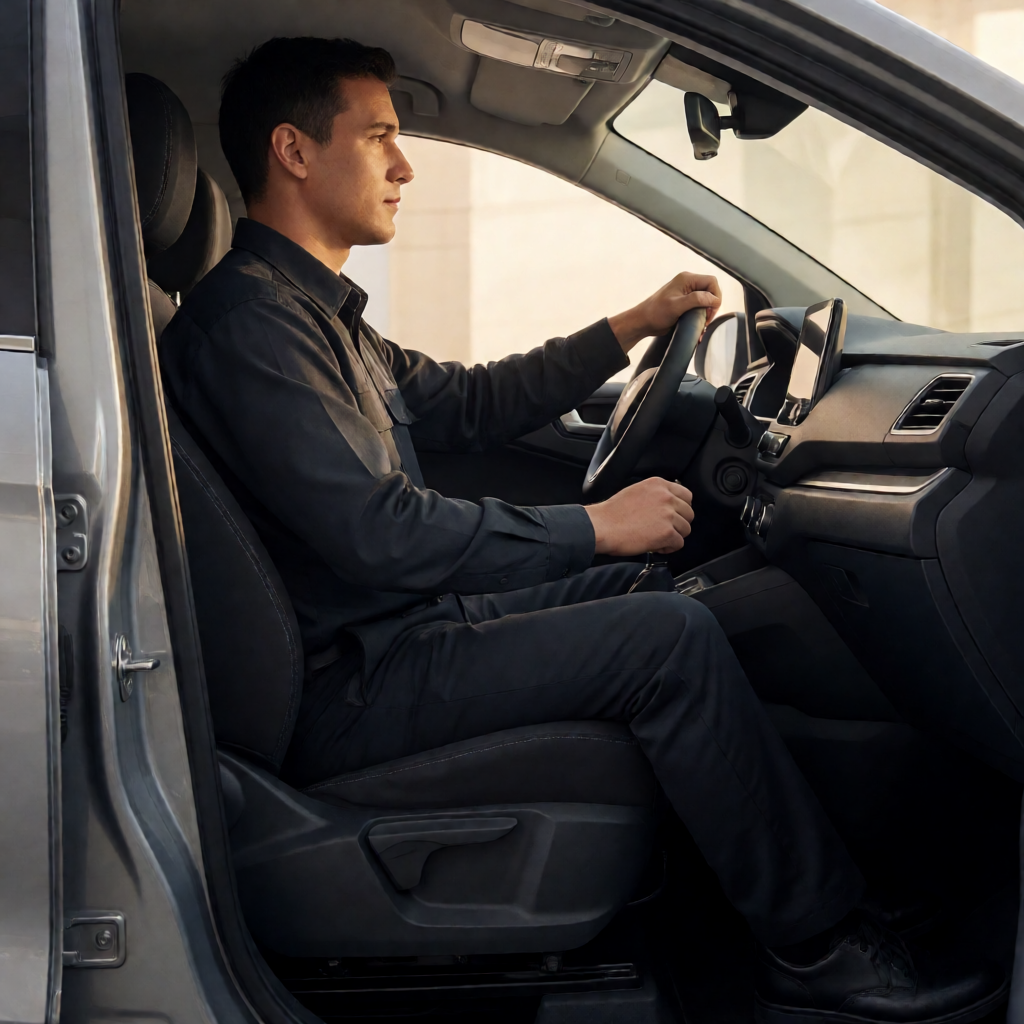
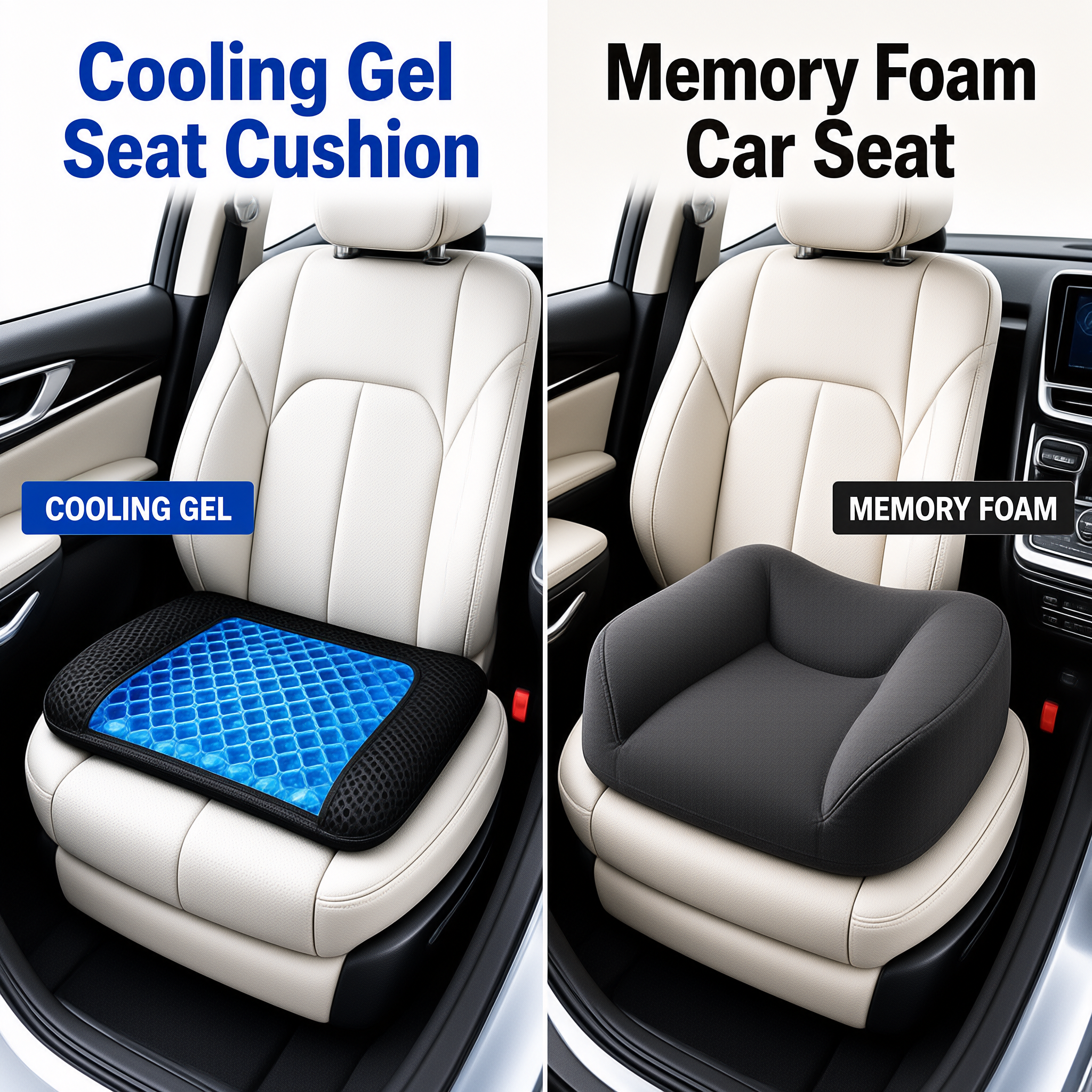
A car seat cushion sits on top of the seat surface. Its primary job is to change your sitting angle, distribute body weight more evenly across the hips, and add a layer of shock-absorbing foam between you and the hard seat pan.
Typical buyers reach for a seat cushion when:
- They spend long hours in standard-height car seats (rideshare drivers, sales reps, commuters)
- They have hip pressure points or post-surgical discomfort that makes hard seats painful
- They want to raise their visibility while driving without modifying the vehicle
Seat cushions work in any vehicle with a flat seat surface — no straps, no installation, just place and go. That simplicity is a major selling point for retail buyers and a logistical advantage for fleet procurement managers who need accessories that work across a mixed fleet.
What Is a Car Lumbar Support, and Who Is It For?
A car lumbar support attaches to the seat back, most commonly with adjustable elastic straps. It fills the gap between the lower back and the seat backrest, maintaining the spine's natural inward curve and reducing the strain that comes from prolonged sitting.
Typical buyers reach for a lumbar support when:
- They experience lower back pain during or after driving
- They drive long distances or operate commercial vehicles for extended shifts
- They have office jobs where lower-back fatigue compounds with driving time
Lumbar supports come in several forms: fixed contoured foam inserts, inflatable adjustable supports, and strap-mounted ergonomic cushions. Each variation targets a slightly different buyer profile — from the budget-conscious consumer to the fleet manager spec'ing premium driver comfort.
Side-by-Side Comparison
The table below summarizes the key differences that matter most to distributors.
| Factor | Car Seat Cushion | Car Lumbar Support |
|---|---|---|
| Primary pain point | Hip pressure, seat hardness | Lower back fatigue |
| Seat type | Flat seat surfaces | Any seat with a backrest |
| Target buyer | Rideshare drivers, commuters, elderly | Fleet drivers, office workers, back-pain sufferers |
| Typical MOQ (OEM) | 200–500 units/SKU | 300–800 units/SKU |
| OEM complexity | Medium (foam + cover + branding) | Higher (contour + strap system + cover) |
| Retail price range | $15–$45 | $20–$60 |
The main difference between a car seat cushion and a lumbar support is anatomical: one addresses the hips and sit bones, the other addresses the lower spine and posture. Most distributors who stock both find that customers often buy both — which is a strong signal for category planning.
When to Recommend a Seat Cushion to Your Customers
Push seat cushions to buyers who describe hip discomfort, numbness, or pressure — especially if they mention standard ride-sharing seats or older vehicles with thin factory padding.
The highest-volume seat cushion buyer segment is rideshare drivers. Uber and Lyft operators can put 6–10 hours a day in the car. They experience seat hardness and hip fatigue as their primary discomfort complaint, and a $25–$35 memory foam seat cushion delivers noticeable relief. At typical wholesale pricing, this is a strong margin product for distributors stocking rideshare accessory programs.
Seat cushions also work well for:
- Elderly buyers who need a higher seating position to exit the vehicle
- Post-operative patients recovering from hip or knee replacement surgery
- Fleet managers outfitting taxi or rideshare vehicles as a standard fitment
From an OEM standpoint, seat cushions typically have a lower MOQ than lumbar supports because the construction is simpler — molded foam plus a zippered cover. That makes them a good entry point for distributors testing a new market or launching a private-label line with limited upfront commitment.
When to Recommend a Lumbar Support to Your Customers
Push lumbar supports to buyers who describe lower back soreness, spinal fatigue, or pain that starts in the mid-back and radiates toward the hips. These are the buyers who instinctively put a hand behind their back when they sit down.
The strongest lumbar support buyer segment is commercial fleet operators. Delivery companies, logistics firms, and long-haul trucking operations are increasingly stocking lumbar supports as part of driver wellness programs. The business case is straightforward: a $40 lumbar support reduces driver discomfort complaints and can contribute to fewer sick days — a meaningful ROI conversation for fleet procurement.
Lumbar supports are also the right call for:
- Office workers who drive 60+ minutes each way and spend 10+ hours a day sitting
- Buyers with diagnosed lumbar conditions (sciatica, degenerative disc issues)
- Fleet managers spec'ing driver comfort accessories for long-contract terms
OEM complexity for lumbar supports is higher than seat cushions — the strap attachment system, contour molding, and adjustability mechanisms all add tooling and assembly steps. That complexity translates to higher per-unit landed cost but also higher perceived value and better retail margins.
Can You Stock Both? The Hybrid Opportunity
Yes — and you should. The market for combination 2-in-1 products is growing, and for good reason: one product that addresses both hip pressure and lumbar fatigue covers a broader buyer base than either category alone.
From a business perspective, a 2-in-1 lumbar and seat cushion unit typically commands a higher retail price ($45–$75) and generates higher per-order revenue. Distributors who stock both categories separately plus the hybrid option can offer buyers a tiered product range — entry-level cushion, mid-tier lumbar, premium combo — without managing completely different supply chains.
OEM development for a 2-in-1 is more involved than either product alone, but it is an area where Chentovo has proven manufacturing experience. The key is working with a supplier who can prototype the integrated shape and test the strap system across different seat geometries before committing to tooling.
OEM and Private Label Options for Each Product Type
Both product categories are well-suited for private-label and OEM programs. Here is what buyers typically customize for each:
For seat cushions:
- Foam density and ILD rating (affects firmness and support level)
- Cover fabric (3D mesh, knitted fabric, suede, vegan leather)
- Anti-slip base (rubberized dot pattern, silicone grip)
- Dimensions and thickness (standard: 38×38×5cm; custom available)
- Logo application (silk print, woven label, embossed strap)
- Retail packaging (gift box, polybag, blister pack)
For lumbar supports:
- Contour shape (C-curve, S-curve, dual-density ergonomic)
- Strap system (adjustable hook-and-loop, buckle, or strapless friction fit)
- Cover fabric and color (coordinate with vehicle interiors)
- Adjustability (inflatable air chamber, sliding foam insert)
- Logo placement and labels (care labels, brand tags)
- Custom packaging with barcodes and retail-ready finishes
For distributors competing on Amazon or other online marketplaces, the biggest differentiation lever is packaging and brand story. Generic white-label stock gets competed on price. A well-branded product with professional packaging, a defined material story (CertiPUR-US foam, breathable 3D mesh), and an OEM supplier who can produce consistently at scale commands a durable margin.
How to Choose: A Simple Selection Framework
Use these three questions when a buyer is undecided:
1. Where does your customer feel discomfort?
If hips and sit bones: seat cushion. If lower back: lumbar support. If both: recommend the 2-in-1 or a bundle.
2. How many hours per day do they drive?
Under 2 hours: often no accessory needed. 2–4 hours: entry-level cushion or basic lumbar. Over 4 hours: premium lumbar with adjustability or a full 2-in-1 system.
3. Are they a fleet buyer or an individual consumer?
Fleet buyers prioritize durability, consistency across units, and bulk pricing. Individual consumers respond to brand story, perceived comfort, and retail packaging. Tailor your SKU recommendation accordingly.
If you are still unsure which product fits your buyer's situation, reach out — our B2B team can walk through the specific use case and recommend the right development path.
Conclusion
Car seat cushions and lumbar supports are related but distinct product categories. Stocking both — and understanding when to recommend each — is one of the most effective ways to increase order value and reduce returns.
Chentovo manufactures both product types as OEM/ODM programs, with full customization available across foam, fabric, branding, and packaging. We work with distributors, brand owners, and fleet procurement teams worldwide.
To discuss your product requirements, sample timelines, or tooling for a private-label program, contact our team directly.