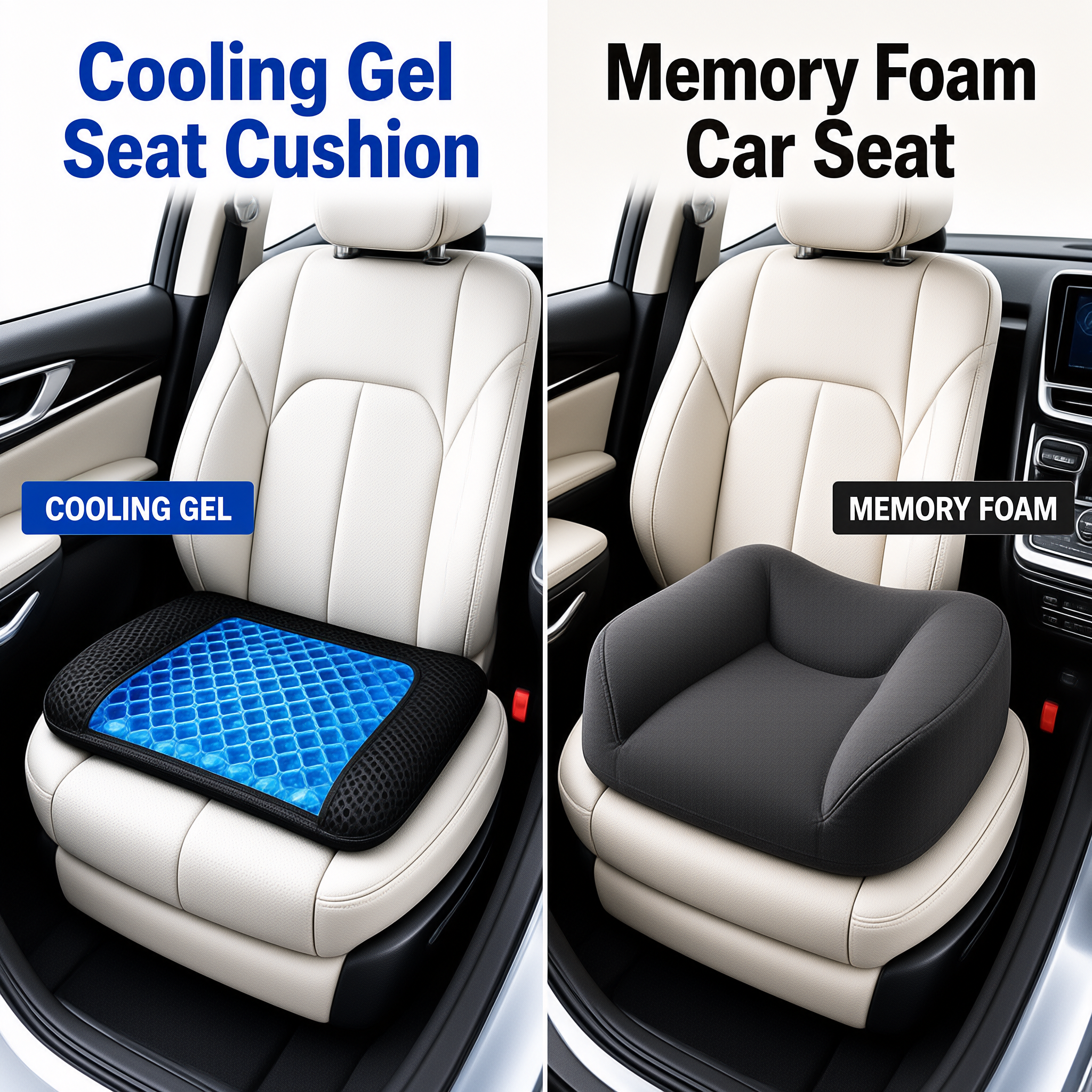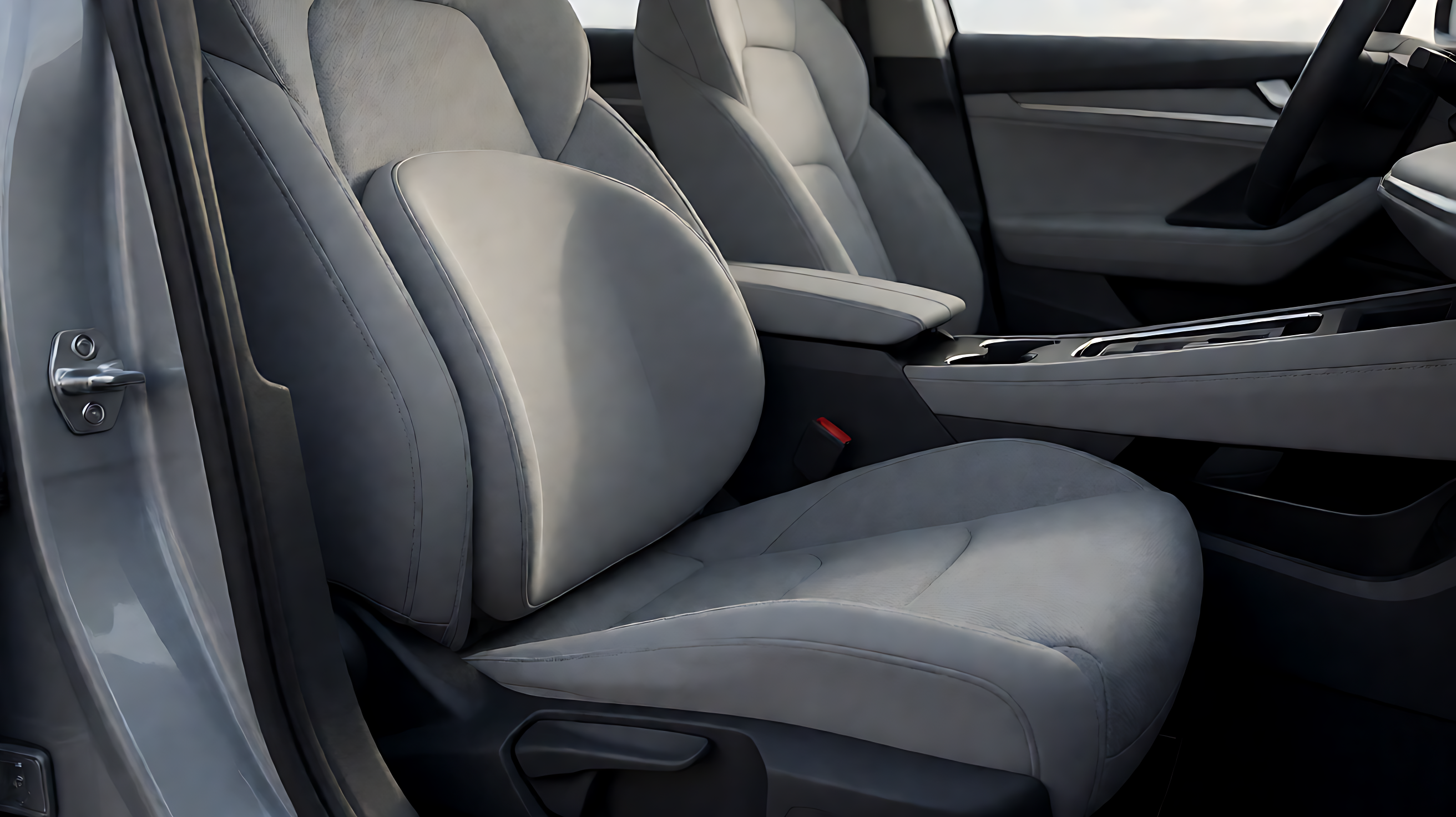
A seat cushion changes your hip angle; a lumbar support fills the gap behind your lower back. Here is how to tell which symptom points to which product, and when you need both.
A car seat cushion and a lumbar support do different jobs, and buying the wrong one is why so many drivers still ache after a long trip. If the discomfort sits under your hips, you need a seat cushion; if it sits in your lower back, you need lumbar support.
The two are often sold together in one product, which makes the choice look like a matter of taste. It is not. They change your posture in opposite directions, and fitted in the wrong place each one can make the other problem worse.
Key Takeaways
A seat cushion raises the hips and changes the angle of the pelvis; a lumbar support fills the gap behind the lower back.
Tailbone or sciatic discomfort points to a seat cushion; a tired, aching lower back points to lumbar support.
A thick seat cushion reduces the room available behind your lower back, so using both at once needs care.
Seat height and seat-back angle decide which of the two you actually need, more than body weight does.
The cheapest way to get this wrong is to buy a bulky version of both and fit them together.
What Each Product Actually Changes About Your Posture
Both products change how you sit. Neither of them changes the seat, which is why the effect only holds while the geometry still works out.
A seat cushion raises your hips a little and tips the pelvis forward. That opens the angle between your torso and your thighs and moves load away from the tailbone and the sciatic notch. It works on the base of the seat, and its effect is measured at the hips and the back of the thighs.
A lumbar support works higher up. It fills the gap between the seat back and the inward curve of your lower spine. Most car seats are shaped shallow enough that the lower back is left unsupported, so the muscles stay switched on to hold you upright. A lumbar pad gives that area something to rest against, which is what lets you relax into the seat instead of holding yourself up.
The mistake is treating "back pain" as one problem. Discomfort that starts under you and travels down a leg is a different mechanism from an ache that builds across the lower back after half an hour. The first is about pressure and hip angle. The second is about the missing curve.
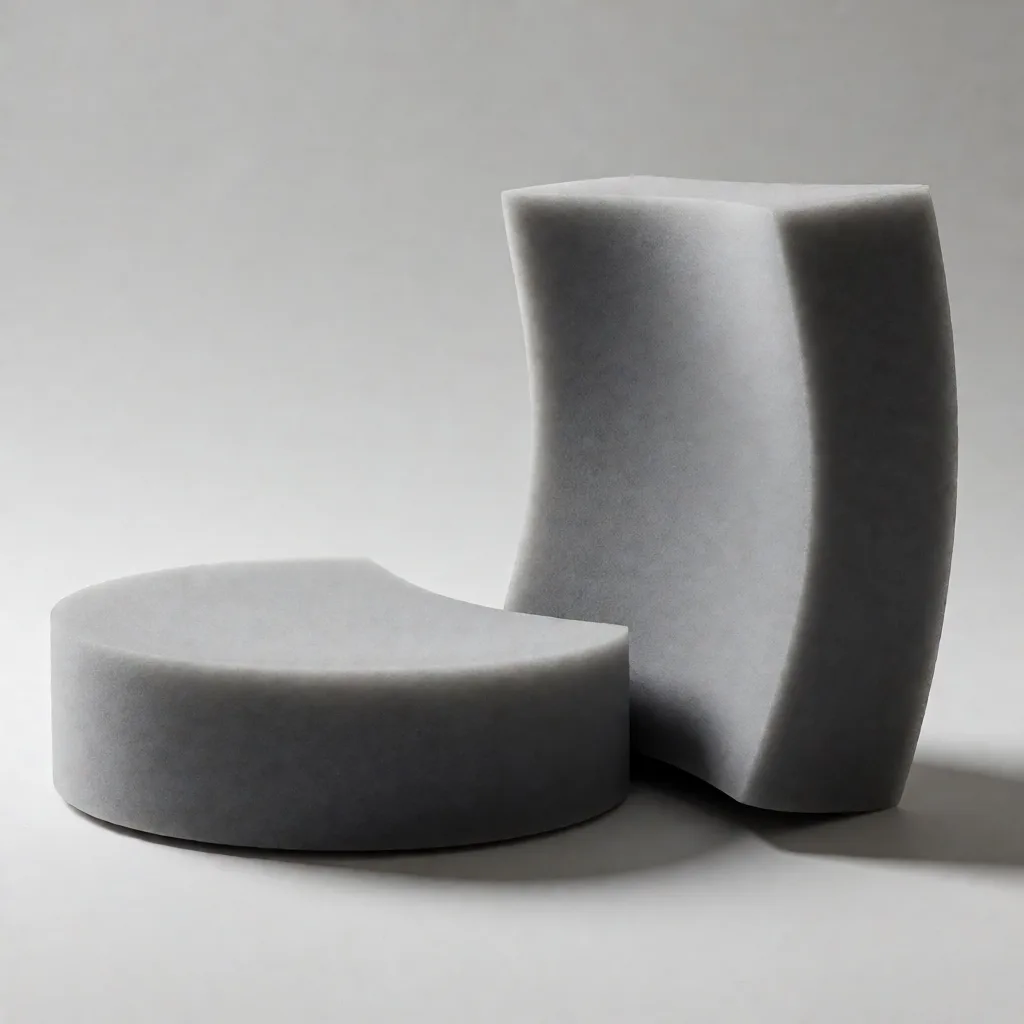
Car Seat Cushion vs Lumbar Support: Which Symptom Points to Which
| What you feel | What usually helps | Why it works |
|---|---|---|
| Soreness at the tailbone or sitting bones | Seat cushion | Raises and softens the contact under the pelvis |
| Numbness or tingling down the leg | Seat cushion, wedged | Opens the hip angle and takes load off the sciatic notch |
| Aching lower back after 30 minutes | Lumbar support | Restores the inward curve the seat back does not carry |
| Slouching with shoulders rolled forward | Lumbar support | Gives the lower back a stop to rest against |
| Seat feels too low, knees above hips | Seat cushion | Restores a seat height that supports the thighs |
| Both an aching back and tailbone pressure | Both, kept thin | Needs vertical room, so each piece has to be shallow |
| Read that table from the symptom, not from the product name. Buyers who start with the product they have seen online usually end up with the wrong one, because the two products are photographed almost identically. |
Can You Use Both at the Same Time?
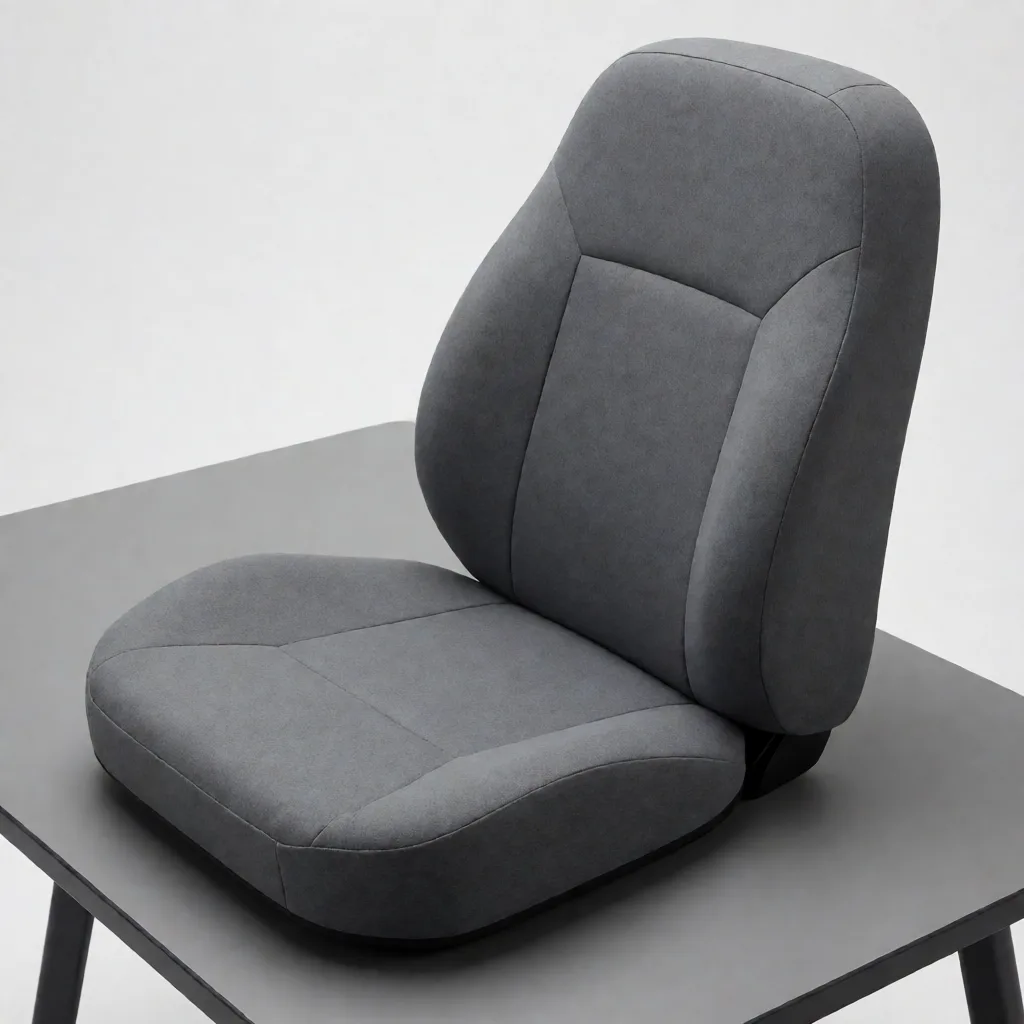
Yes, and for a long daily drive it is often the right answer. The catch is thickness. A seat cushion lifts you up and slightly forward, which changes where your lower back meets the seat back. If the cushion is deep, the lumbar pad ends up sitting too low, or too far behind you to make contact at all.
The workable combination is a shallow wedge under the hips and a lumbar support that is contoured rather than bulky. Fit the seat cushion first, sit for a few minutes, then place the lumbar pad where it actually touches your back — not where it looked right on the table.
A thick seat cushion and a thick lumbar pad fight each other: the cushion moves you forward, the pad pushes you back, and the seat ends up holding you in neither position.
That is why a two-in-one product has to be engineered as one shape rather than two cushions stacked. If you are comparing shapes before buying, the guide to measuring your car seat covers the three dimensions that decide whether a combination will fit at all.
How Quickly You Notice a Difference
The two products do not report back on the same timescale, and that is useful when you are trying to work out which one you need.
A seat cushion changes your posture the moment you sit down. If the hips are the problem, the relief is immediate and obvious, which makes a shallow wedge a low-risk thing to try first.
Lumbar support is different. Filling the gap behind the lower back lets the muscles there switch off, and that relaxation builds over twenty to forty minutes rather than arriving at once. A lumbar support can therefore feel like nothing much on the first sit and make a real difference by the end of a long drive. Judging one after thirty seconds in a shop is the wrong test.
That asymmetry also explains a common mistake: buying a thicker lumbar support because the first one did not produce an instant effect. The pad was usually in the wrong place or too thin to reach the gap, and adding bulk makes the placement problem worse rather than better.
Matching the Choice to Seat Type and Driver Height
The seat does more of the deciding than the driver does. Three common cases:
Sedans and Low Seats
Sedan seats sit low and often angle the thighs upward. That is a seat-height problem before it is a lumbar problem, so a seat cushion usually gives the larger improvement. The lumbar gap in a sedan is real but shallow, and a thin, low-profile support is enough to close it.
SUVs and Upright Seats
Upright seats put the torso closer to vertical, which loads the lower back more directly. Drivers here more often need lumbar support, and often need it taller — coverage up toward the mid-back rather than a small pad at the base of the spine.
Trucks and Long-Haul Cabs
Long hours in one position are where the two symptoms show up together. Truck seats are usually adjustable enough to fix the seat height, so the priority shifts to lumbar support with firm retention and a cover that stays comfortable over a full shift. The long-haul and truck driver support guide goes into what changes when the seat is also a workplace.
What to Check Before You Buy
Three checks, in order, will settle most of the decision.
First, measure. Seat depth, seat-back height and the width at lumbar height tell you what will fit before you look at any product. A support that is the wrong size cannot be rescued by a better material.
Second, decide the material against the job. Memory foam holds a contour and suits long, steady drives; mesh runs cooler; inflatable versions let one seat serve several drivers. The comparison of memory foam, inflatable and spring supports sets out where each one wins.
Third, if you are buying to resell rather than to use, treat the choice as a range decision rather than a single product. Most suppliers build both categories on the same foam and cover inputs, so the cost structure is similar — the MOQ and pricing guide explains which inputs set the floor on either one.
Frequently Asked Questions
- Is a seat cushion the same as a lumbar support?
- No. A seat cushion sits under you and changes the angle of your pelvis. A lumbar support sits behind your lower back and restores the inward curve. They solve different problems and are fitted in different places.
- Which one should I buy first?
- Buy for the symptom that bothers you most. Discomfort under the hips or down the leg points to a seat cushion; an aching or tired lower back points to lumbar support. If you are unsure, start with lumbar support, because the missing curve is the more common complaint in modern car seats.
- Can a seat cushion make back pain worse?
- It can, if it is thick. Raising the hips too far pushes the pelvis forward and leaves the lower back with even less support. A shallow wedge avoids that.
- Do taller drivers need different products?
- Height mostly changes which dimension matters. Taller drivers often find the seat back too short and need taller lumbar coverage; shorter drivers more often find the seat base too deep and gain from a cushion that supports the thighs.
- Should I buy a two-in-one cushion instead of two separate products?
- A two-in-one is easier to live with because the two shapes are designed to work together rather than stacked by the driver. If the shapes are not designed together, two thin products fitted carefully will beat one thick one.
- Does any of this replace a proper seat adjustment?
- No. Adjust the seat first — height, then distance, then backrest angle — and add a cushion or a support only for what is left over. Products bought to fix a seat that was never adjusted usually disappoint.
Where to Take This Next
Adjust the seat, then identify the symptom, then choose the product. If you can measure your seat first, the choice becomes almost automatic, and the measurement guide walks through it step by step. To see which shapes and materials are already built as platforms, browse the product range; if you are sourcing either category for your own brand, send your specification and we will tell you which inputs set your minimum.